A phrase such as “brass meter component” is not enough to obtain a comparable bulk quotation: a terminal screw, current link, molded-housing insert and neutral stud perform different mechanical and electrical jobs. By the end, you will know how to define the part, test supplier capability, compare quotations and prevent thread, plating, traceability and shipment failures.
Key takeaways
- Separate terminals, links, fasteners, inserts and enclosure hardware before requesting quotes.
- Match thread, hole pattern, current path and insulation clearance to the meter drawing.
- Specify brass grade, plating, heat treatment and machining tolerances on the purchase order.
- Require dimensional, thread, plating, material and batch inspection records before assembly.
Which Parts Belong in an Energy Meter Assembly?
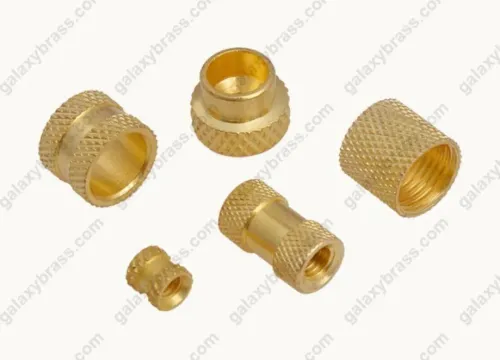
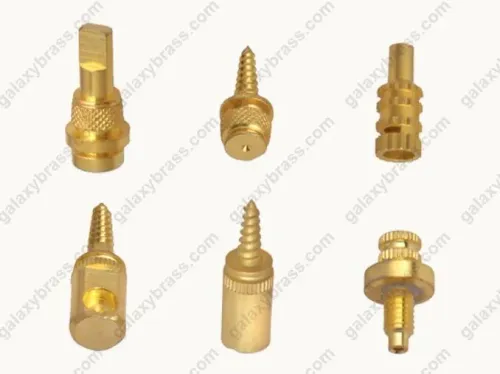
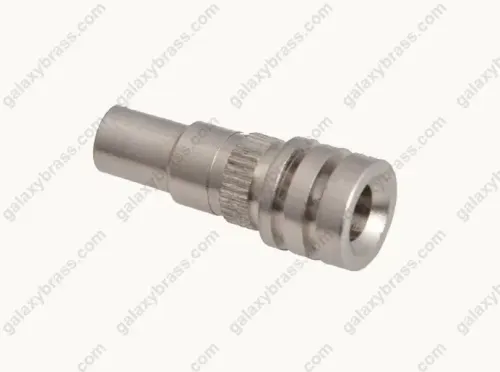
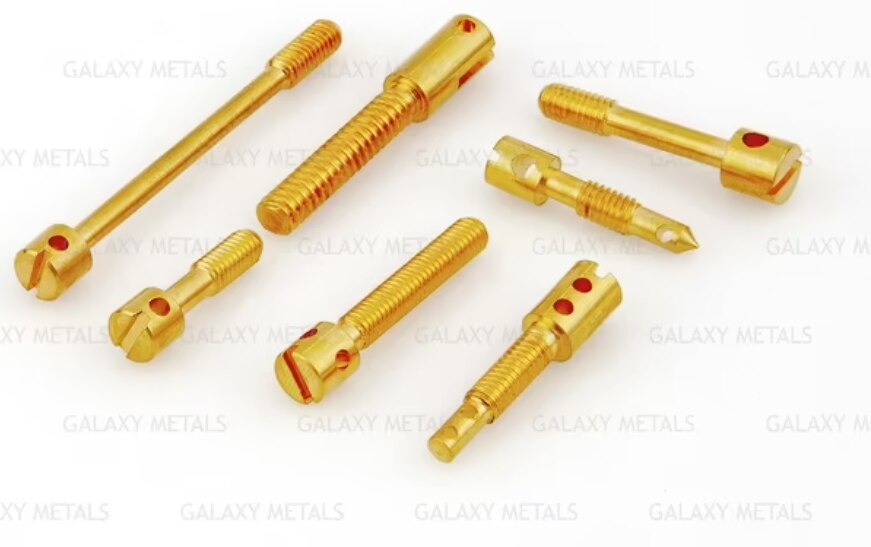
An energy meter assembly includes distinct component families, not one generic “brass meter component.” Common supplies include terminal screws, clamps, current links, neutral links, nuts, washers, studs, pins, connector pieces, brass inserts, bushes and enclosure hardware.
Their electrical functions differ: a current link carries load current, a terminal screw creates clamping force, an insert provides a threaded connection in molded plastic, and a bush supports alignment or insulation.
Before asking an energy meter parts supplier for pricing, match every item to the meter drawing, terminal block, conductor cross-section, mating screw, enclosure and available assembly clearance. Request:
- Part number, controlled drawing revision, outside diameter, overall length, bore, shoulder dimensions and tolerances.
- Thread standard, size and pitch, head or slot geometry, knurling, plating and allowable burr limits.
- Electrical duty, including current-carrying path, voltage connection or neutral function.
- Confirmation that the supplier can make the required terminal, insert or link through the stated process and quantity.
| Feature | Single-phase meter | Three-phase meter |
|---|---|---|
| Terminal arrangement | Fewer line, load and neutral positions | Separate terminals for multiple phases, plus neutral where specified |
| Current paths | One phase circuit and its return | Independent phase paths with higher terminal count |
| Mounting layout | Compact terminal block and simpler enclosure pattern | Wider or denser block, phase order and clearance become critical |
For brass energy meter parts in Jamnagar, provide an assembled-interface photograph alongside the drawing; the phrase alone cannot establish compatibility.
How Do You Match a Brass Part to the Meter Design?
Begin with the meter manufacturer’s part number, drawing revision and assembly location. “Brass meter component” is not a usable purchasing description: a terminal screw, current link and molded-housing insert can have different dimensions, alloys and electrical duties.
For each custom brass meter part, record:
- Outside diameter, overall length, shoulder dimensions, bore diameter and every critical tolerance.
- Thread designation, pitch, tolerance class, mating nut or screw, and whether the thread is cut or rolled.
- Head, slot, hex or drive geometry, plus the required clamping hardware.
- Conductor cross-section, terminal-block cavity and the current-carrying or voltage-sensing function.
- Burr limit, cleaning requirement, plating specification and whether dimensions apply before or after plating.
- Drawing revision, inspection gauge and the clearance to nearby live parts, enclosure walls and molded insulation.
Match the part against the assembled meter drawing, not an isolated sketch. A single-phase meter may use one line path and one neutral path; a three-phase meter needs separate phase paths, a different terminal count and a revised mounting layout.
Confirm that the terminal accepts the specified conductor without strand damage and that the screw reaches full thread engagement without bottoming out.
IEC 62052-11 and the applicable IEC 62053 standard govern the assembled meter, not every custom dimension. Request assembly validation, especially after plating: nickel or tin can reduce internal thread clearance, while chips, sharp edges or polishing compound can cause intermittent faults. Require tooling, gauges, sorting and packaging as separate quotation lines.
Which Alloy, Finish and Manufacturing Route Should You Specify?
Specify the alloy by electrical duty, not by the word “brass.” Higher copper content supports conductivity, while leaded free-machining grades improve turning and tapping but can trigger restricted-substance requirements. Confirm the chosen grade against current, temperature rise, contact resistance and RoHS requirements in the assembled terminal.
| Choice | Strength | Trade-off |
|---|---|---|
| Unplated brass | Lowest process cost and good machinability | Oxidation can raise contact resistance |
| Tin-plated brass | Better contact stability and corrosion protection | Plating thickness can tighten threads and bores |
| Nickel-plated brass | Hard, durable surface for enclosure hardware | Less suitable where low contact resistance is critical |
| Automatic turning | Accurate screws, studs, bushes and pins | Swarf and tool marks need control at high volume |
| Cold forging | Efficient repeat production with strong grain flow | Requires tooling and limits complex internal features |
| Hot forging | Handles larger sections and difficult shapes | Adds heat, scale and finishing operations |
| Drilling, tapping, knurling or broaching | Builds holes, threads, grip and profiles | Extra operations increase handling and variation |
For custom brass meter parts, state whether dimensions are measured before or after plating. Give the thread designation and tolerance class, pitch, bore, shoulder, head or slot geometry, and permitted burr height; nickel or tin deposited on an internal thread can remove usable clearance.
A brass meter components manufacturer should show samples from the actual route, not generic brass experience. Ask for heat-to-batch traceability, composition or mill certification, plating thickness results, and contact-resistance and temperature-rise results using the specified conductor, screw and torque.
Choose automatic turning for high-volume simple parts; choose forging when deformation strength and repeat volume justify tooling.
What Inspection Evidence Proves the Parts Are Ready for Assembly?
A finished lot is not ready for assembly because it looks clean. Approve it only against the meter drawing revision, mating terminal block, conductor cross-section and assembly clearance; IEC 62052-11 and the applicable IEC 62053 standard do not define every custom-part dimension.
1. Dimensions: Record outside diameter, overall length, bore, shoulder, head or slot geometry and critical tolerances against the released drawing. Reject any feature that prevents the terminal, washer or enclosure from seating.
2. Threads: State the thread designation, pitch, tolerance class and cut or rolled method. Check gauges and mating hardware after plating, because nickel or tin can reduce internal clearance and chucking can damage external threads.
3. Burrs: Inspect bores, slots, knurls and thread run-outs at magnification. Set a maximum burr height or require complete removal where a burr could cut insulation, obstruct insertion or loosen during tightening.
4. Electrical performance: Record continuity and contact resistance against the specified maximum, then verify tightening torque and current-path performance where the drawing or assembled-meter test requires it.
5. Plating: Record coating type, thickness range, coverage, adhesion and appearance. Match the report to the specified areas, especially threads and contact surfaces.
6. Traceability: Link the brass heat or lot number to the production batch, inspection report, plating certificate, restricted-substance declaration where applicable and retained first-off sample.
An energy meter parts supplier should provide these records for the actual turning, forging, drilling, tapping or plating route used. For brass energy meter parts in Jamnagar, reject a generic certificate that cannot identify the shipped lot.
How Should You Compare Jamnagar Suppliers for Bulk Supply?
A comparable quote starts with a controlled 2D drawing, not “custom brass meter parts.” Attach the 3D model where geometry matters, annual and release quantities, forecast range, sample-approval method, inspection plan, environmental requirements, and photographs showing the assembled interface.
Identify whether you need terminal screws, clamps, links, inserts, bushes, studs, pins, connector pieces or enclosure hardware, and whether the layout is single-phase or three-phase.
Use this checklist for brass energy meter parts manufacturers in Jamnagar:
- Request process evidence for automatic turning, forging, drilling, tapping, knurling, broaching, assembly and plating that matches your actual part.
- State part number, drawing revision, conductor cross-section, thread designation and tolerance class, mating hardware, critical dimensions, plating, burr limits and electrical function.
- Specify whether thread dimensions apply before or after plating, because nickel or tin deposition can reduce internal clearance.
- Require pricing by tooling, sample, first-off approval, production lot, packaging, freight, payment terms and validity period.
- Request a delivery schedule with capacity, raw-material lead time, safety stock, dispatch milestones and a recovery plan for late releases.
- Ask for heat or lot traceability linking mill certificates, inspection reports, plating certificates, restricted-substance declarations and retained samples to each batch.
Compare the evidence, not the supplier’s generic catalogue:
| Criterion | Strong evidence | Warning sign |
|---|---|---|
| Capability | Approved samples from the stated process route | General brass experience only |
| Commercial control | Itemised tooling, inspection, packaging and freight costs | One unexplained unit price |
| Repeat reliability | Batch traceability, capacity plan and corrective-action records | No revision or lot history |
Ask Galaxy Metals, or any brass meter components manufacturer, to quote against the same revision and release schedule so the comparison remains meaningful.
Frequently asked questions
Which parts belong in an energy meter assembly?
Common brass parts include terminal screws, clamps, current links, neutral links, nuts, washers, studs, pins, connector pieces, inserts, bushes and enclosure hardware.
How do you match a brass part to the meter design?
Compare the supplier drawing with the meter design for thread size, hole pattern, current path, mounting method, insulation clearance and assembly sequence.
Which alloy, finish and manufacturing route should you specify?
Specify the brass grade, required conductivity and strength, surface finish or plating, heat treatment, machining process and dimensional tolerances.
What inspection evidence proves brass meter parts are ready for assembly?
Request material certificates, dimensional reports, thread gauges, plating or finish checks, visual inspection results and traceable batch records.
How should you compare Jamnagar suppliers for bulk supply?
Compare drawing review, tooling ownership, process capability, inspection evidence, packaging, minimum order quantity, lead time and batch traceability.
Keywords